

Why Is Eau De Parfum More Expensive in the Philippines
Eau de parfum costs more because it typically contains 15–20% fragrance oils instead of 5–15%, can provide longer wear, and imported perfume in the Philippines carries a 20% excise tax. For Middle Eastern EDPs, that tax applies before distributor, freight, warehousing, and retail costs are added.
You notice the difference at the counter. A lighter body mist or cologne looks easy to justify, while a Middle Eastern EDP asks you to pay more upfront for a smaller bottle, heavier presentation, and a scent that may or may not perform as expected in Metro Manila heat. The obvious question is whether the price gap buys genuine value or just better-looking packaging.
The answer isn't as simple as “more perfume oil equals better perfume”. Concentration affects the formula, but ingredient quality, brand positioning, import costs, skin chemistry, humidity, projection, and how often you reapply all influence the final result. A higher-priced EDP may be the smarter purchase if it reduces reapplication, but a cheaper fragrance can still win if you enjoy the scent and it performs well enough for your routine.
Table of Contents
- What Actually Drives Perfume Prices at the Counter
- How Fragrance Concentration Changes Price And Performance
- Why Imported Perfumes Cost More In The Philippines
- Raw Materials, Branding, And Packaging Costs
- Cost Per Wear Versus Bottle Price In Tropical Climates
- Where And How To Buy Authentic Middle Eastern EDP In The Philippines
What Actually Drives Perfume Prices at the Counter
A shopper in Makati may see an ₱800 body mist beside a ₱2,500 Middle Eastern EDP and wonder whether the second bottle offers better value or just a more convincing presentation. Both can smell good on a paper strip. Neither price, by itself, tells you how the fragrance will perform on your skin in Metro Manila heat.
The counter price reflects more than the liquid. It covers the finished bottle, presentation, retailer operations, and the costs of bringing an imported product into the Philippines. The import-tax burden and other charges described earlier become part of the local shelf price before the distributor and retailer add their own costs. That is why an EDP can cost more here than the same fragrance appears to cost abroad.
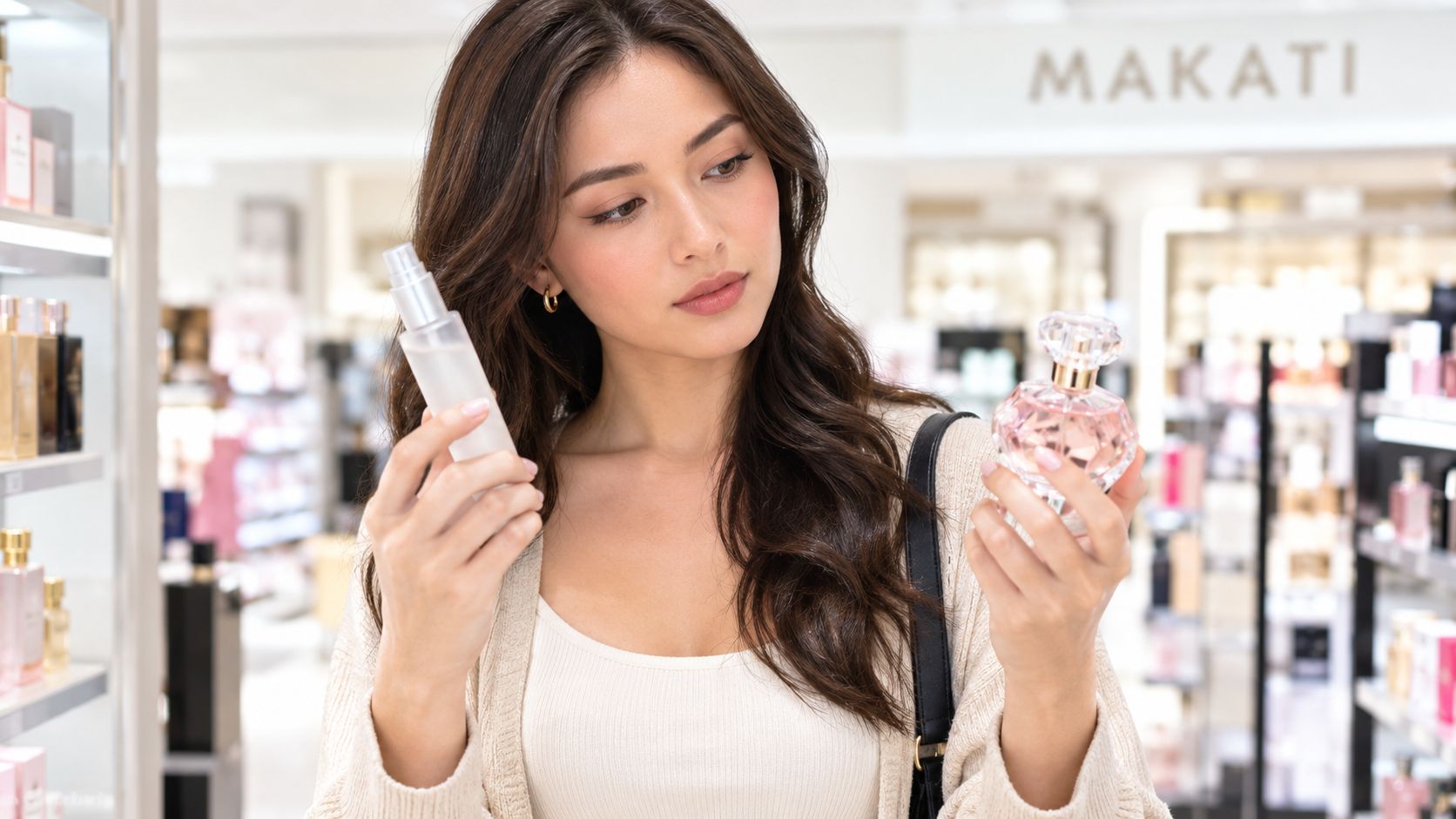
What you are paying for at the counter
A higher shelf price may include:
- The finished formula: The liquid itself, including its aromatic materials and supporting ingredients.
- Bottle and presentation: Glass, caps, boxes, protective materials, and the added weight handled through shipping.
- Brand and retail positioning: Design, marketing, seller reputation, store overhead, and controlled distribution.
- Imported supply chain: Freight, insurance, customs processing, local warehousing, fulfilment, and the Philippine import charges built into the final price.
These costs do not prove that a bottle smells better. They explain why comparing prices alone can mislead. A smaller imported EDP may still be the better buy if it suits your routine and reduces reapplication. A cheaper mist may win if you use it generously, enjoy the scent, and do not mind refreshing it during the day.
Practical rule: Judge the extra price by cost per wear, not by the bottle or the first spray alone.
For example, an ₱800 fragrance used often can deliver better value than an ₱2,500 EDP that stays in a drawer. The reverse is also possible if the EDP performs adequately through a workday, while the cheaper option needs repeated sprays and runs out sooner. In tropical heat, comfort and reapplication habits matter as much as the initial impression.
Ask one direct question before buying: which part of the extra price improves how I wear fragrance in the Philippines? If the answer is better daily performance or a scent you will reach for regularly, the premium may be reasonable. If it is only heavier packaging or a familiar name, keep comparing.
How Fragrance Concentration Changes Price And Performance
Concentration is the clearest technical reason an EDP often costs more than an eau de toilette. Typical EDPs contain approximately 15–20% fragrance oils, while eau de toilette commonly contains about 5–15%, according to Allure Philippines' fragrance etiquette guide. The remaining formula includes alcohol, water, and other supporting components.
That difference changes the formulation economics. If a manufacturer uses more aromatic materials in each bottle, the product contains less of the lower-cost carrier portion relative to the fragrance concentrate. The result can feel denser, warmer, or more rounded, although the scent profile itself may be shared with a lighter version.
Concentration is useful, but it isn't a guarantee
Higher concentration often supports longer wear, but it doesn't promise stronger projection or a fixed number of hours on every wearer. A formula built around persistent base materials may last longer than one with a high oil claim but a fleeting structure. Skin moisture, application technique, temperature, humidity, and whether you spray clothing or skin all change the result.
The Philippine climate adds another complication. Heat can make a fragrance open more quickly and project more noticeably at first, while humidity can alter how the scent develops. A fragrance that feels powerful in an air-conditioned room may seem softer after commuting, sweating, and spending time outdoors.
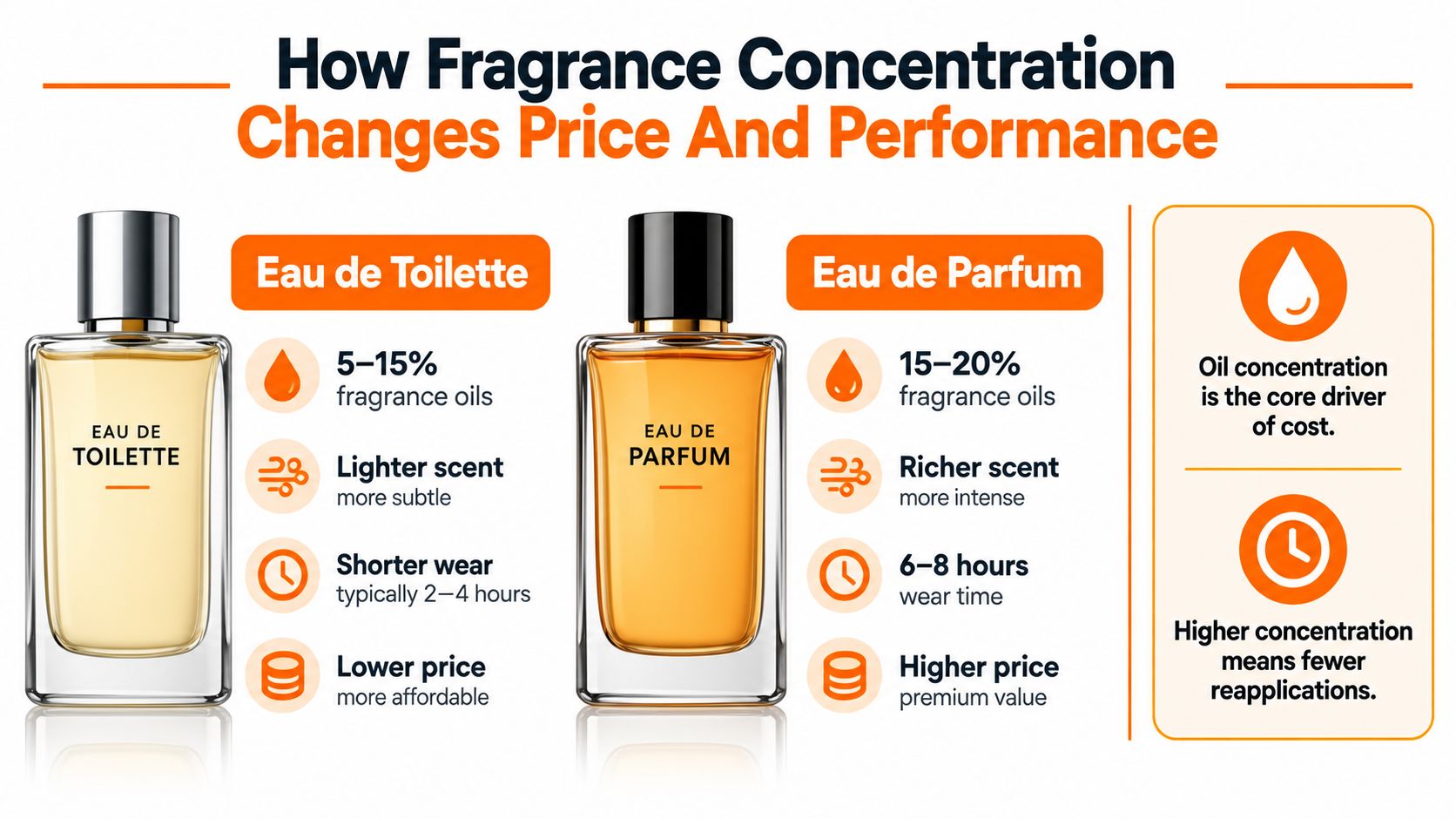
A more concentrated EDP may reduce the number of applications you need, but that's only valuable if you like its scent at close range. Some EDPs sit closer to the skin after the opening, while a lively EDT may create more noticeable freshness in the first part of the day. Projection and longevity aren't the same measurement.
For a fuller explanation of the category, what eau de parfum means is a useful starting point, but don't use the label as a substitute for testing.
Ingredient choice changes the maths
Two EDPs with similar concentration can have different prices because their materials cost different amounts. A formula made with common aroma molecules won't necessarily cost the same as one using natural extracts, specialty materials, oud, or saffron. Even within the same brand, a composition with expensive or difficult-to-source ingredients can carry a higher price.
The practical test is simple. Try the fragrance on skin, not only on a blotter, and check how it develops through your normal day. If the EDP smells richer and remains enjoyable after the initial opening, the added concentration may be worthwhile. If it becomes cloying in heat or disappears despite its label, the percentage hasn't delivered enough value.
Why Imported Perfumes Cost More In The Philippines
A Middle Eastern EDP that looks reasonably priced on an overseas website can feel expensive once it reaches a Philippine counter. The bottle carries manufacturing and international logistics costs first. After arrival, customs processing, tax, storage, distribution, payment handling, fulfilment, and retail margin all add to the amount you pay.
The largest Philippines-specific charge is the 20% excise tax on locally manufactured and imported perfumes under Revenue Regulations No. 9-2023, issued on 3 August 2023. For an imported perfume, Customs calculates excise tax from the import value used for tariff and customs-duty assessment. That base excludes excise tax and VAT. The importer pays the excise tax to Customs before the shipment can be released.
The tax does not reward lighter concentration
The regulation covers perfumes and toilet waters. For this excise-tax purpose, it does not create a separate treatment for eau de parfum and eau de toilette based on fragrance concentration. An imported EDP does not receive special tax treatment because it contains more fragrance oil, while a lighter toilet water is not automatically excluded from the regulated category.
That distinction matters when comparing an imported Middle Eastern EDP with a lighter fragrance already sold locally. The EDP can cost more because its formula uses a higher concentration, but its import tax applies because it is an imported perfume in the regulated category. Its shelf price reflects both the liquid and the route the product took into the Philippines.
| Cost Component | Typical Impact | How It Changes Local Price |
|---|---|---|
| Fragrance concentrate | Raises formula cost | A denser EDP may require more aromatic materials or a higher-value formula |
| International manufacturing | Varies by brand and production model | Factory cost sets the starting point before import expenses |
| Freight and insurance | Adds cost before local sale | Ocean or air transport, plus shipment protection, increases landed cost |
| Customs processing and excise tax | Creates a government charge at import | The 20% perfume excise tax applies before release, based on the applicable import value, as detailed in Revenue Regulations No. 9-2023 |
| Local distribution and fulfilment | Adds domestic operating expense | Warehousing, transport, payment handling, and delivery raise the final price |
| Retail operations and marketing | Supports the selling business | Staff, storage, customer service, promotion, and margin appear in the counter price |
The Philippines remains heavily exposed to imported fragrance costs. An industry estimate places the local perfume market at USD 191.01 million in 2025, with a projection of USD 348.30 million by 2034 and a projected 6.90% compound annual growth rate from 2026 to 2034, as reported by IMARC's Philippines perfume market analysis. The same analysis estimates that mass-market products represented 62% of the market in 2025, keeping affordability important even as shoppers try premium formats.
The local price is not a direct conversion of the overseas retail price. It reflects the imported product's full journey into the country.
For Middle Eastern EDPs, compare the final Philippine price rather than judging the bottle by its foreign listing. Two fragrances with similar concentration can arrive at different prices because their brands, freight arrangements, importers, distribution routes, and retail strategies differ. A higher price may reflect more supply-chain cost, not better performance on your skin. If the scent does not suit Metro Manila heat or your usual wearing routine, the tax and import journey do not make it better value.
Raw Materials, Branding, And Packaging Costs
The liquid is only one part of a perfume's cost. Ingredient selection can push a formula upward before a brand adds its bottle, box, design work, and retail positioning. Oud and saffron, for example, can create a distinctive identity and may cost more than simpler material choices, while speciality aroma chemicals and carefully sourced naturals can also affect formulation expense.
That doesn't mean a fragrance using a recognisable luxury ingredient will automatically smell better on your skin. A skilled perfumer can make an affordable composition appealing, and an expensive formula can still be a poor match for your taste. Ingredient cost is a pricing input, not a universal quality score.
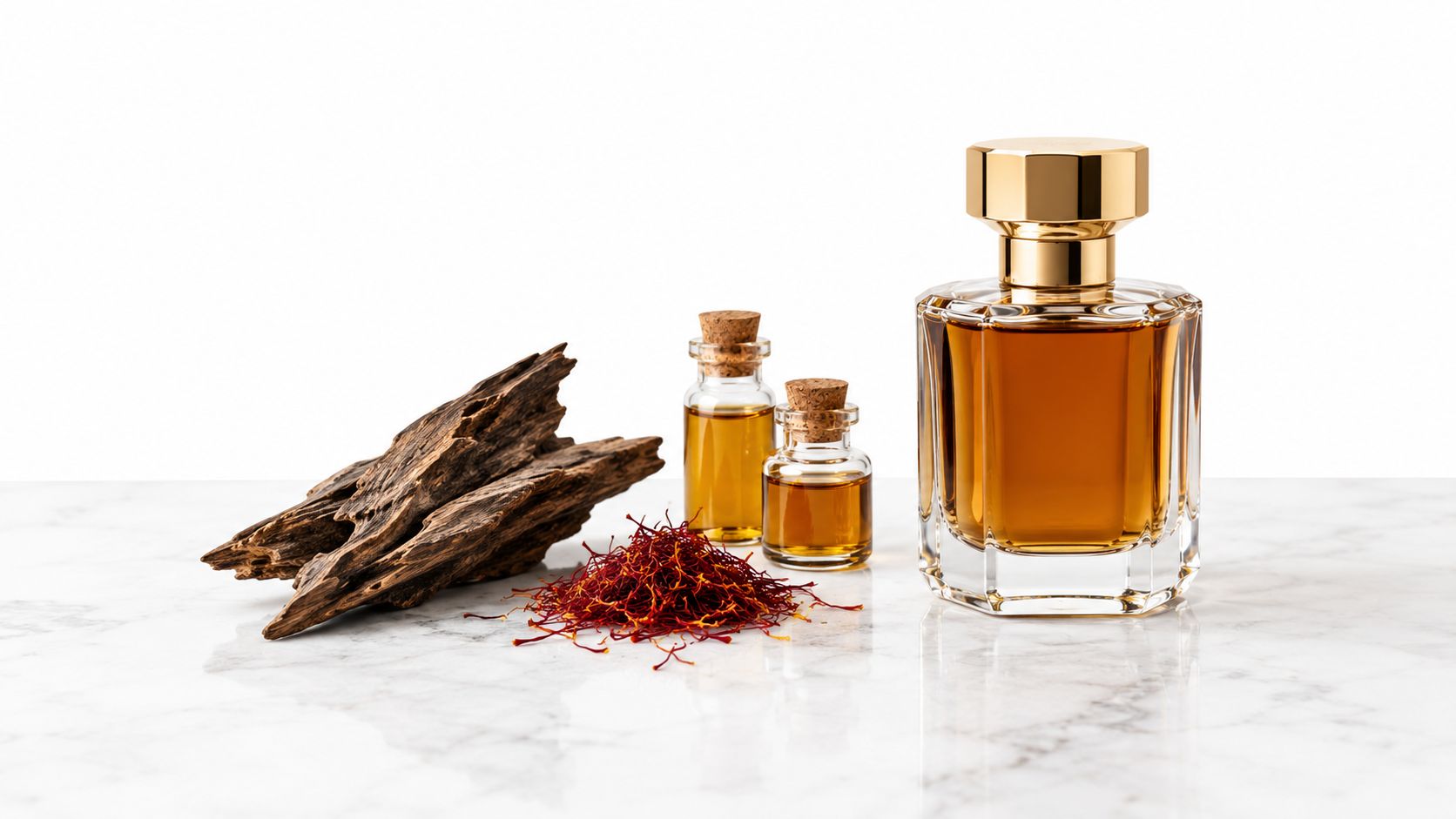
Comparing the parts beyond the juice
Consider the Middle Eastern houses commonly seen in Philippine fragrance shopping, including Lattafa, Afnan, Armaf, Rasasi, Arabiyat, Rayhaan, and French Avenue. Their bottles may occupy a similar general category, but their prices can differ because each brand makes different choices about formula, presentation, distribution, and market position.
A heavy bottle with a magnetic cap, shaped glass, layered box, and decorative insert costs more to manufacture and ship than a simple bottle with minimal protection. It may also create a more satisfying gift experience. That can matter if presentation is part of what you're buying, but it doesn't tell you how long the fragrance will last.
Branding has a similar effect. A house with strong recognition, a distinctive heritage story, or a carefully controlled image can charge for the confidence and identity attached to the name. Buyers may be paying for a specific style, a familiar shopping experience, or the pleasure of owning a recognisable bottle.
Separate perceived luxury from useful value
When comparing bottles, ask which cost drivers you care about:
- For daily commuting: Prioritise a scent that stays pleasant in heat and doesn't demand constant touch-ups.
- For gifting: Packaging, presentation, and brand familiarity may justify a higher price.
- For collecting: Bottle design and house identity can be part of the enjoyment.
- For strict budgeting: Focus on wear, scent quality, and local availability rather than a dramatic cap or oversized box.
- For oud or saffron styles: Test first, because intense materials can be polarising in warm, enclosed spaces.
A retailer may also price a fragrance according to demand, stock availability, and how difficult it is to source locally. That doesn't prove a markup is unfair. It means you should compare the complete offer, including authenticity confidence, seller support, delivery, and return terms.
The best bargain isn't necessarily the bottle with the lowest price per millilitre. It is the one whose scent, construction, presentation, and everyday performance justify what you're prepared to spend.
Cost Per Wear Versus Bottle Price In Tropical Climates
Bottle price is the easiest comparison and often the least useful one. A cheaper fragrance can become expensive if you need frequent reapplication, while a higher-priced EDP can make sense when it works through your normal day with fewer touch-ups. The comparison should start with cost per wear, not the number printed on the shelf.
The basic calculation is:
Cost per wear = bottle price ÷ realistic number of wears
Don't use an optimistic estimate. Count the occasions on which you expect to wear the fragrance, then adjust for your actual spray habit, rotation, and climate. A person who owns several bottles will use each one less often than someone who reaches for the same scent daily.
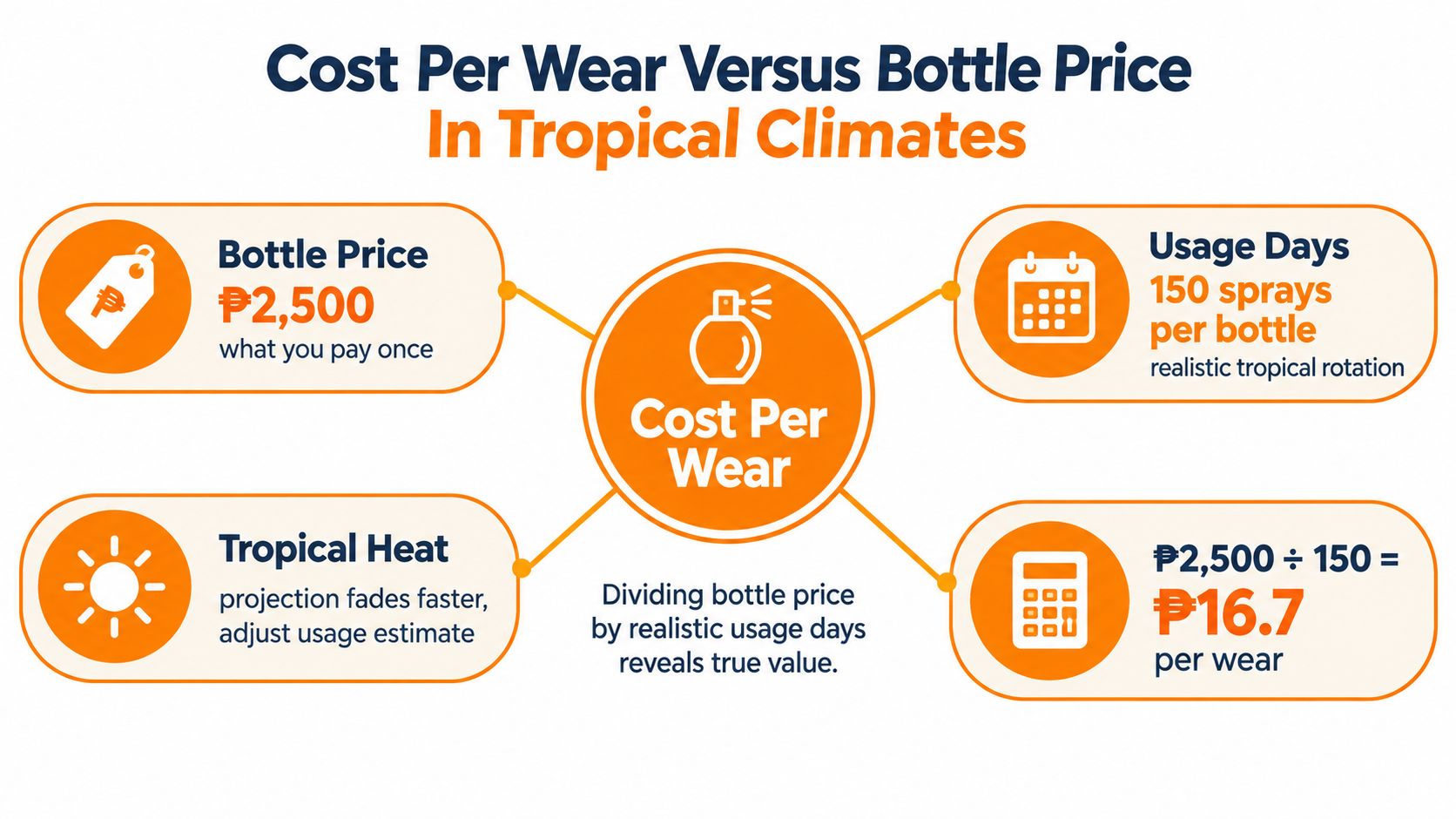
Build a realistic Manila calculation
Start by writing down the price of each bottle and estimating how many wears you can get from it. You don't need false precision. A conservative estimate is more useful than claiming a fragrance will last through every workday when you've only tested it once in an air-conditioned room.
Then record the things that affect use:
- Application amount: More sprays per outing shorten the bottle's usable life.
- Reapplication: If heat causes the scent to fade sooner for you, include the additional use in your estimate.
- Skin versus clothing: Clothing may retain a scent differently from skin, so evaluate the result using the way you normally apply fragrance.
- Rotation: Several bottles spread usage across a collection and change the cost per wear of each one.
- Occasion: A dense evening EDP may be excellent for selected events but excessive for daily office use.
General fragrance guidance places EDP performance around 6–8 hours, but that range is not a promise for every formula or wearer, as explained in this guide to making perfume last longer. Heat, humidity, skin chemistry, application, and the difference between skin longevity and clothing longevity all matter.
When the expensive option wins
An EDP can offer better value when you enjoy the scent, it remains comfortable in tropical conditions, and you apply less often than you would with a lighter format. But longer wear isn't the only form of value. A fresh EDT may be the better choice for daytime errands if you prefer a clean, understated scent and don't mind a later refresh.
Use this practical guide to long-lasting perfume in the Philippines as a reminder to judge performance in local conditions, not only from overseas descriptions. Test a sample or decant when possible, wear it during a normal commute, and note the time when you can no longer smell it without pressing your wrist to your nose.
A better buying test: If the fragrance costs more but doesn't improve your enjoyment, comfort, or realistic wear pattern, the extra concentration hasn't created enough value for you.
Where And How To Buy Authentic Middle Eastern EDP In The Philippines
The safest purchase starts with the seller, not the hype around a particular bottle. Imported fragrance demand attracts genuine specialists and unreliable listings alike, so check whether the shop provides clear business information, product details, contact options, and written policies before paying.
Check the bottle and the seller together
A product page should identify the brand, fragrance name, concentration, bottle size, and available stock clearly. Seller credibility also depends on the wider buying experience. Look for a published contact channel, a visible returns or refunds policy, secure checkout, and information that helps you understand how the retailer handles authenticity concerns.
Use this checklist before committing:
- Confirm the scent profile: Check the notes and style so you aren't buying solely from a viral comparison.
- Verify the concentration tier: Make sure the listing says EDP, EDT, extrait, or another format accurately.
- Review seller policies: Read the return, refund, delivery, and damaged-item terms before ordering.
- Assess authenticity information: Look for transparent proof pages, brand-specific details, and consistent product photography.
- Test when possible: A sample, decant, or store test can reveal whether the fragrance suits your skin and the Philippine climate.
- Set a complete budget: Include delivery and decide whether the expected cost per wear fits your routine.
A local specialist can reduce the uncertainty associated with overseas ordering, but local availability isn't automatic proof of authenticity. This guide to buying authentic perfume online in the Philippines gives shoppers a useful framework for checking the seller before checking out.
The final decision should balance three questions. Do you like the scent? Does it perform adequately in your daily environment? Is the total cost reasonable for how often you'll wear it? If the answer to all three is yes, the EDP may be worth its higher price. If not, a lighter format or a less expensive EDP may be the more sensible choice.
Dubai Fragrance Shop PH offers authentic Middle Eastern EDPs from houses including Lattafa, Afnan, Armaf, Rasasi, Arabiyat, Rayhaan, and French Avenue, with nationwide Philippine fulfilment. Browse Dubai Fragrance Shop PH to compare scents in PHP and choose an EDP based on genuine fit, local availability, and realistic cost per wear.